
 0
0
 0
0
Hardwood floors are one of the most beautiful features a home can have, but they also require proper care to stay clean and damage-free. Many homeowners accidentally ruin hardwood floors by using too much water, harsh chemicals, or the wrong cleaning tools. Unlike tile or vinyl, hardwood is sensitive to moisture, scratching, and buildup from cleaners that leave residue. The good news is that hardwood floors are not difficult to maintain when cleaned correctly. A simple routine of dry cleaning, gentle mopping, and occasional deep cleaning can keep hardwood floors looking polished for years. Cleaning methods may also vary depending on whether the floor is sealed, finished, or older and more delicate. Knowing what products to use—and what to avoid—is the key to protecting the wood’s natural shine. This guide explains how to clean hardwood floors safely, including daily cleaning habits, the best mopping techniques, stain removal tips, and long-term maintenance advice for keeping hardwood floors fresh, smooth, and beautiful.
Daily and Weekly Cleaning Habits That Protect Hardwood Floors
The best way to keep hardwood floors clean is by maintaining them consistently. Dust, dirt, and small debris may look harmless, but they act like sandpaper when people walk over them. Over time, this can cause scratches and dullness. Sweeping daily or every few days helps protect the floor’s finish.
A microfiber dust mop is one of the best tools for hardwood floors. It picks up fine dust without scratching the surface. Vacuuming is also helpful, but it should be done with a hardwood-safe vacuum head. Some vacuums have rotating brushes that can scratch wood, so choosing the correct setting matters.
Weekly cleaning should include deeper dust removal, especially in corners, under furniture, and along baseboards. Placing doormats at entrances also reduces dirt and grit, which helps floors stay cleaner longer.
This aligns with best daily cleaning routine for hardwood floor care, because prevention is easier than repair. Simple habits reduce long-term damage and keep hardwood floors looking smooth and polished.
The Right Way to Mop Hardwood Floors Without Ruining Them
Mopping hardwood floors is where many people make mistakes. Hardwood does not handle water well, especially if moisture sits on the surface too long. The safest method is damp mopping, not wet mopping. A mop should be lightly damp, not dripping.
The best cleaning solution depends on the floor finish. Many homeowners use hardwood floor cleaners designed for sealed wood. These cleaners remove dirt without stripping the finish. Using dish soap or all-purpose cleaners can leave residue, making floors look dull over time.
A microfiber mop works best because it spreads moisture evenly and reduces streaks. After mopping, the floor should dry quickly. If the floor stays wet for long periods, it may cause warping, swelling, or discoloration.
This supports safe mopping techniques for hardwood floors, because moisture control is everything. The goal is cleaning the floor without soaking it. A gentle, controlled mop routine keeps wood protected and shiny.
Removing Stains, Sticky Spots, and Scuff Marks
Hardwood floors often develop stains or sticky spots, especially in kitchens, dining rooms, and entryways. The key is treating these areas gently. Sticky spots can often be removed using a soft cloth dampened with a hardwood-safe cleaner. Scrubbing aggressively can damage the finish.
Scuff marks from shoes are common. Many scuffs can be removed by rubbing gently with a microfiber cloth or using a soft tennis ball trick. Light buffing often lifts the mark without needing chemicals. For tougher marks, a small amount of floor cleaner can help.
For food stains or minor discoloration, spot cleaning is best. The longer a stain sits, the harder it becomes to remove. Pet accidents should be cleaned immediately because urine can soak into the wood and cause permanent staining.
This aligns with how to remove stains and scuffs from hardwood floors, because spot treatment prevents damage. Gentle cleaning protects the finish while keeping floors looking fresh.
What to Avoid When Cleaning Hardwood Floors
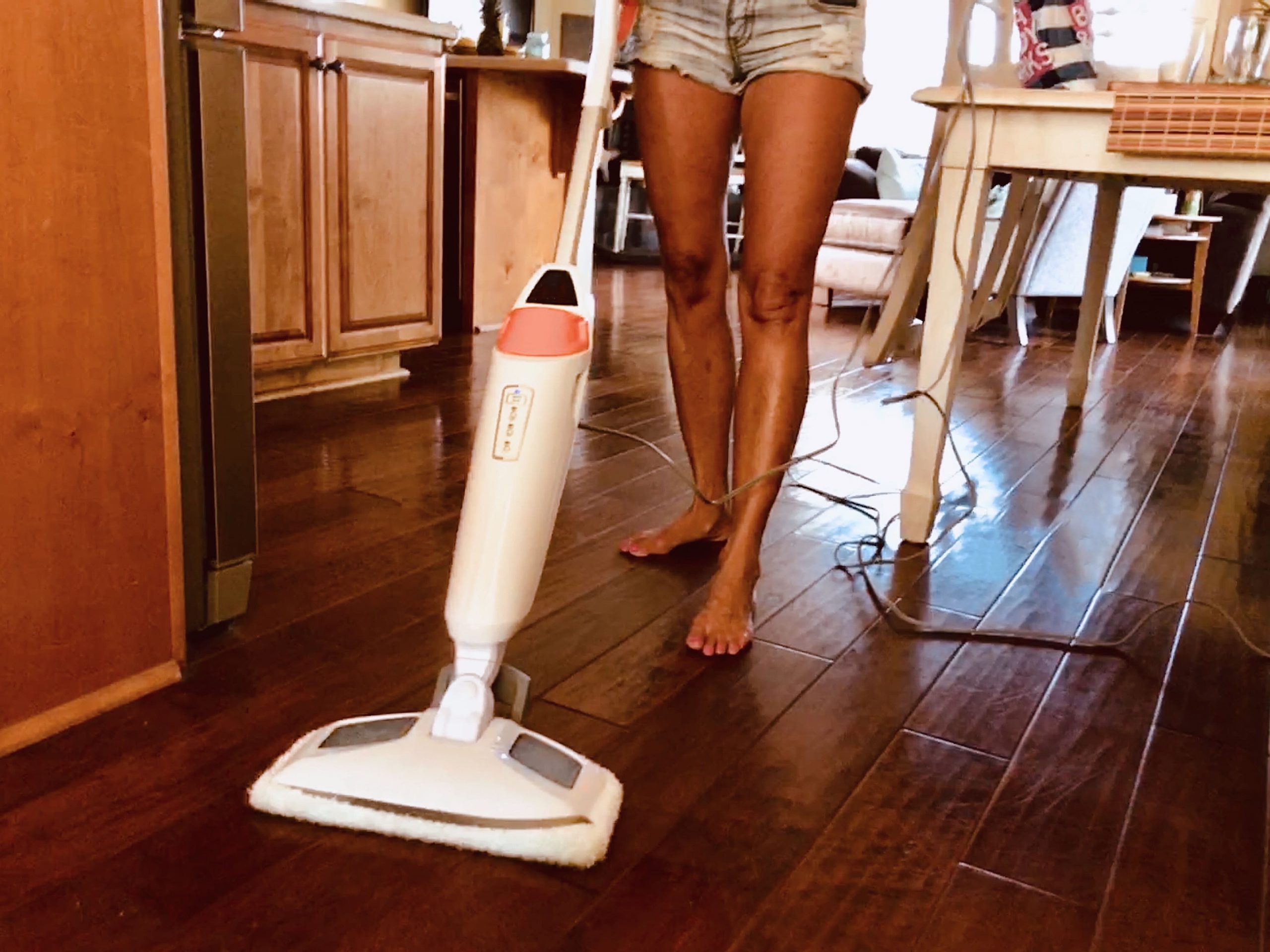
Knowing what not to do is just as important as knowing what to do. One of the biggest mistakes is using steam mops. Steam may seem like a safe deep-cleaning method, but it forces moisture into the wood and can cause warping and long-term damage.
Another common mistake is using vinegar. While vinegar is a popular natural cleaner, it is acidic and can break down hardwood floor finishes over time. Harsh chemicals like bleach, ammonia, or strong disinfectants should also be avoided because they can discolor the wood and strip protective layers.
Abrasive scrubbers are another danger. Steel wool and rough pads can scratch the floor permanently. Even rough vacuum brushes can cause damage if used incorrectly.
This supports hardwood floor cleaning mistakes homeowners should avoid, because hardwood floors are expensive to repair. Avoiding harsh tools and products protects the floor’s appearance and lifespan.
Long-Term Maintenance Tips for Keeping Hardwood Floors Beautiful
Long-term hardwood floor care is about protecting the finish and reducing wear. One of the best habits is using felt pads under furniture. Chairs and tables can scratch wood easily, especially when moved. Rugs and runners in high-traffic areas also help reduce wear.
Humidity control is another important factor. Hardwood expands and contracts with humidity changes. Using a humidifier in dry seasons and maintaining stable indoor humidity helps prevent cracks and gaps.
Polishing can also help, but it must be done carefully. Some floor polishes leave buildup that dulls the floor over time. Many experts recommend using only products designed for the specific finish type. If floors become heavily worn, refinishing may be needed after several years.
This aligns with modern approaches to home and garden living, because modern home care focuses on prevention and smart maintenance. Hardwood floors stay beautiful longer when homeowners combine gentle cleaning with protective habits.
Conclusion
Cleaning hardwood floors properly is the best way to protect their shine, prevent scratches, and extend their lifespan. Daily and weekly habits like dust mopping, sweeping, and using hardwood-safe vacuum settings reduce dirt that can cause long-term damage. When mopping, controlling moisture is essential, since hardwood floors can warp or discolor if soaked. Spot cleaning stains, sticky areas, and scuff marks early prevents buildup and keeps floors looking fresh. It is equally important to avoid damaging methods such as steam mops, vinegar, harsh chemicals, and abrasive scrubbers. Long-term care also includes using felt pads under furniture, placing rugs in high-traffic areas, and managing indoor humidity to protect the wood. Hardwood floors are a major investment, and they look best when cleaned gently and consistently. When guided by modern approaches to home and garden living, hardwood floor care becomes simple, effective, and safe, helping homeowners keep their floors beautiful for many years.