
 0
0
 0
0
Japanese-style home design is known for its calm, minimal, and nature-connected aesthetic. Many people are drawn to this style because it creates a peaceful environment that feels balanced, uncluttered, and relaxing. One of the most iconic parts of Japanese-inspired design is the Zen garden, which uses simple natural elements like sand, stones, wood, and greenery to create a meditative atmosphere. Styling a home with a Japanese Zen garden theme does not require living in Japan or owning a large property. The Zen aesthetic can be added through indoor décor, outdoor landscaping, and mindful design choices that focus on simplicity and harmony. Japanese styling is also about function, not just beauty. It encourages open space, natural light, and intentional placement of objects. This guide explains how to style a home in a Japanese Zen way, including how to create Zen garden elements, what décor choices match the theme, and how to design a home that feels peaceful, modern, and deeply calming.
Understanding Japanese Zen Style: Minimalism, Balance, and Nature
Japanese Zen home styling is built on simplicity. Instead of filling a home with decorations, the focus is on open space, natural materials, and calm energy. Many Japanese-inspired interiors feel “light” because they avoid clutter and choose only meaningful pieces.
Balance is another key element. Japanese design often uses symmetry and clean lines, but it also allows natural imperfections. This is connected to the concept of wabi-sabi, which appreciates beauty in simplicity and natural aging. Instead of shiny, artificial décor, Japanese Zen spaces often use wood, stone, linen, and neutral tones.
Nature is also a major part of Zen design. Plants, natural textures, and sunlight create a calming mood. Even small nature elements, like bamboo décor or stone accents, help the home feel grounded.
This aligns with Japanese Zen home décor ideas for peaceful living, because Zen styling is not just about design trends. It is about creating a home that supports mental calm and everyday comfort.
How to Create a Zen Garden Space in Your Home or Yard
A Zen garden is traditionally a dry landscape garden made with sand or gravel, rocks, and minimal plants. The sand is often raked into patterns that represent water waves. Rocks represent mountains or islands, creating symbolic natural scenery. The purpose is not decoration—it is meditation and mindfulness.
For homes with outdoor space, a Zen garden can be created in a small corner of the yard, patio, or even beside a walkway. A simple Zen garden can include gravel, a few large stones, a bamboo fence, and a small plant like moss or bonsai-style shrubs.
For apartments or smaller homes, mini Zen gardens are also popular. Tabletop Zen gardens use sand, stones, and small rakes. While small, they still provide a calming visual and a relaxing activity.
This supports how to design a Zen garden for a Japanese-style home, because Zen gardens do not require large budgets. With simple materials and thoughtful placement, even small spaces can feel peaceful and intentional.
Choosing Furniture and Layout for a Japanese-Inspired Home
Japanese home styling works best when furniture is low, simple, and functional. Many Japanese-inspired homes use floor seating, low tables, and clean shapes. The goal is comfort without clutter. Furniture pieces often have natural wood tones, neutral fabrics, and minimal decoration.
Open space matters more than filling the room. Japanese layout design often leaves space between furniture to create breathing room. Instead of placing many chairs, shelves, and décor items, Zen design focuses on what is necessary.
Storage is also important. Japanese homes often use hidden storage to keep spaces clean and calm. Storage benches, closed cabinets, and minimalist shelves prevent visual clutter. Sliding doors or partitions are also popular because they save space and create flexible room layouts.
This aligns with Japanese minimalist interior design layout tips, because layout is what creates the Zen feeling. A home can have Japanese décor, but without proper spacing and simplicity, it will not feel truly calm.
Colors, Materials, and Décor That Match the Zen Aesthetic
Japanese Zen styling is built around neutral colors and natural materials. Common color palettes include white, beige, soft gray, earthy brown, and muted green. These colors help the space feel calm and clean. Bright colors are usually avoided unless used in small accents.
Natural materials are essential. Wood floors, bamboo accents, stone textures, linen curtains, and cotton rugs create a warm, grounded feeling. Paper lanterns and soft lighting also match the aesthetic. Many Zen-style homes use warm, gentle lighting instead of harsh overhead lights.
Décor should be minimal and meaningful. Instead of many decorative objects, Zen homes often feature one or two strong pieces such as a bonsai tree, a ceramic vase, a simple painting, or a natural stone sculpture.
This supports best natural materials for Japanese Zen home styling, because materials create mood. The Zen aesthetic feels peaceful because it connects the home to nature through texture, tone, and simplicity.
Blending Indoor and Outdoor Zen Design for a Complete Look
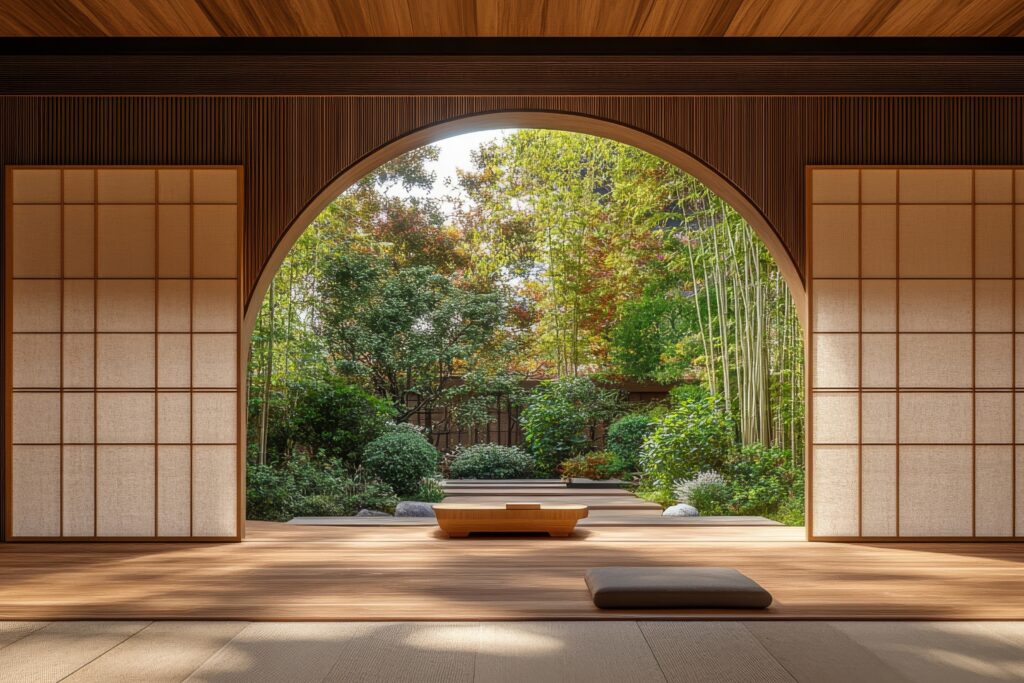
One of the most beautiful parts of Japanese home design is how it blends indoor and outdoor spaces. Traditional Japanese homes often use sliding doors, open windows, and garden views to connect the home to nature. Even modern homes can recreate this feeling through design choices.
Indoor plants help bring nature inside. Bamboo plants, bonsai trees, and small indoor gardens match Zen styling well. Natural light is also important, so keeping windows open and using sheer curtains helps the space feel fresh.
Outdoor Zen elements like stone paths, wooden benches, small water features, and minimalist landscaping create a calm environment. Even a small balcony can be styled with gravel trays, stone décor, and simple greenery.
This aligns with modern approaches to home and garden living, because modern homeowners want calm spaces that support mental wellness. Japanese Zen styling creates a lifestyle of simplicity, peace, and natural balance, making the home feel like a retreat.
Conclusion
Styling a home in Japanese Zen style with Zen garden elements is one of the most effective ways to create a peaceful, minimalist, and nature-connected living space. The Zen aesthetic focuses on simplicity, balance, and intentional design, using open space and natural materials instead of clutter. Zen gardens, whether outdoor or tabletop, add a calming visual and symbolic connection to nature. Japanese-inspired furniture and layouts work best when they are low, functional, and arranged to allow breathing room. Neutral colors, soft lighting, and materials like wood, bamboo, stone, and linen help the home feel grounded and relaxing. Blending indoor and outdoor design creates a complete Zen lifestyle, making the home feel like a quiet retreat from modern stress. When guided by modern approaches to home and garden living, Japanese Zen styling becomes more than décor—it becomes a way of living that supports calmness, mindfulness, and everyday comfort.